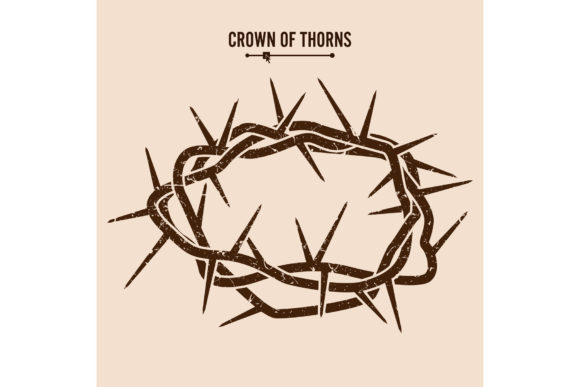
Silhouette of a Crown of Thorns: A Symbol of Sacrifice and Strength
The silhouette of a crown of thorns is a powerful visual symbol often associated with the crucifixion of Jesus Christ. This image, typically depicted in religious art and iconography, represents the suffering and sacrifice endured by Jesus during his final hours. The crown of thorns, placed on his head by Roman soldiers, was both a physical and symbolic torment, emphasizing the pain and humiliation he faced.
When considering the silhouette of a crown of thorns, it's important to understand its deeper meaning beyond just the imagery. This symbol has been used throughout history to convey themes of endurance, faith, and spiritual resilience. For many, it serves as a reminder of the strength required to face adversity and the importance of perseverance in difficult times.
Understanding the Significance of the Silhouette
The silhouette of a crown of thorns can be interpreted in various ways depending on the context. In religious settings, it is a direct reference to the events surrounding the crucifixion of Jesus Christ. However, in a broader sense, it can represent the challenges individuals face in their personal lives. Whether it's dealing with personal loss, facing difficult decisions, or overcoming obstacles, the silhouette can serve as a metaphor for the struggles we all encounter.
For those seeking practical answers or solutions, the silhouette of a crown of thorns may offer inspiration and guidance. It encourages reflection on one's own experiences and the strength required to navigate through them. By recognizing the symbolism behind this image, individuals can find new perspectives on their challenges and develop strategies to overcome them.
Challenges and Goals Associated with the Silhouette
One of the primary challenges associated with the silhouette of a crown of thorns is understanding its relevance in modern contexts. While it is deeply rooted in religious tradition, many people may not immediately see its connection to their daily lives. This can make it difficult to apply the symbolism practically.
However, the goals associated with the silhouette are clear: to foster resilience, encourage reflection, and promote a deeper understanding of personal and collective struggles. For those looking to improve their emotional well-being or find purpose in their challenges, the silhouette can serve as a valuable tool. It offers a way to connect with the idea that suffering can lead to growth and transformation.
How the Silhouette Can Help Address Challenges
The silhouette of a crown of thorns can be particularly useful for individuals facing personal or professional difficulties. By reflecting on the symbolism, one can gain insight into their own experiences and develop a more positive outlook. This can be especially helpful in situations where the path forward is unclear or when dealing with prolonged stress and uncertainty.
For example, someone going through a difficult period in their career might use the silhouette as a reminder that challenges are temporary and that perseverance can lead to success. Similarly, an individual dealing with grief or loss could find comfort in the idea that even in the darkest moments, there is potential for healing and renewal.
Practical Applications and Outcomes
There are numerous practical applications for the silhouette of a crown of thorns. In religious communities, it is often used in sermons, artwork, and educational materials to reinforce the message of sacrifice and faith. In secular settings, it can be incorporated into personal development practices, such as journaling or meditation, to encourage introspection and emotional growth.
Additionally, the silhouette can be used as a source of inspiration for creative projects. Artists, writers, and designers may draw upon the imagery to create works that explore themes of struggle, resilience, and transformation. This can lead to meaningful expressions of personal or collective experiences, offering new ways to engage with complex emotions.
Examples and Recommendations
One practical way to incorporate the silhouette of a crown of thorns into daily life is through visualization techniques. By imagining the image and reflecting on its meaning, individuals can cultivate a mindset of perseverance and hope. This can be especially beneficial during challenging times, helping to maintain focus and motivation.
Another approach is to use the silhouette as a focal point for discussions about faith, resilience, and personal growth. Whether in a group setting or during private reflection, engaging with the symbolism can lead to deeper conversations and a greater understanding of one's own journey.
For those interested in exploring the silhouette further, there are various resources available. Religious texts, artistic interpretations, and scholarly analyses can provide additional insights into its significance. These resources can help individuals connect with the symbolism in a way that resonates with their personal experiences and beliefs.
Considering Different Approaches
It's important to recognize that different individuals may approach the silhouette of a crown of thorns in unique ways. Some may find comfort in its religious connotations, while others may interpret it as a symbol of personal struggle and triumph. This diversity of perspectives highlights the versatility of the image and its ability to speak to a wide range of experiences.
For those who are not religious, the silhouette can still hold value as a representation of human resilience. It can serve as a reminder that challenges are a natural part of life and that growth often comes from overcoming them. By embracing this perspective, individuals can find new ways to navigate their own journeys and support others facing similar difficulties.
In conclusion, the silhouette of a crown of thorns is more than just a historical or religious image. It is a powerful symbol that can inspire reflection, resilience, and personal growth. Whether used in a spiritual context or as a metaphor for everyday challenges, it offers valuable insights and practical applications for those seeking to understand and navigate their own experiences. By engaging with the symbolism, individuals can find strength, purpose, and a deeper connection to the world around them.